Bush Prize
The Bush Prize celebrates organizations that are highly valued within their communities and have a track record of successful community problem solving.
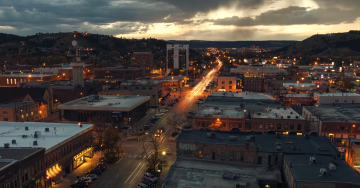
The Bush Prize celebrates organizations that are highly valued within their communities and have a track record of successful community problem solving.
Bush Prize grants are flexible and can be used to build reserves, test a big idea or for anything else that would best support the organization’s ongoing good work. Each year, a total of 9 grants of $250,000 each are awarded.
We offer this program in partnership with 4 community grant partners that are also known and valued in their communities. Each one operates the Bush Prize using similar criteria and has the flexibility to ensure that the program is guided by community members with equity at the center. The grant partners (with Bush in an advisory role) select and announce the Bush Prize winners, as well as provide any support along the way.
Contact the community grant partner directly to learn more about the Bush Prize.
2024 Bush Prize Winners
Bush Prize: Minnesota
Learn more about Bush Prize: Minnesota and the winners at Saint Paul & Minnesota Foundation
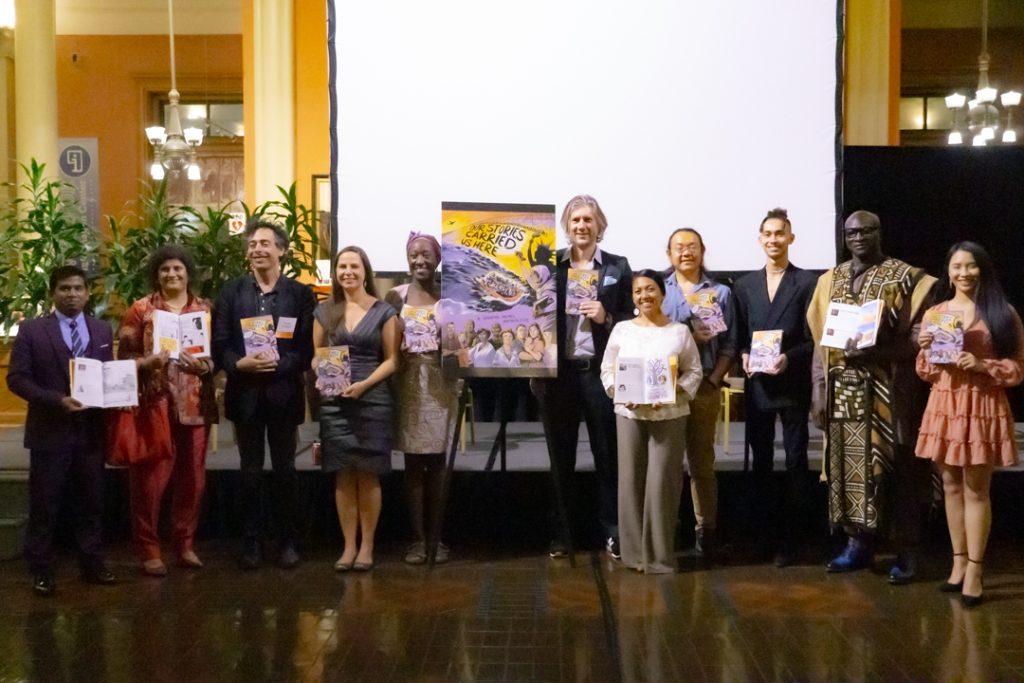
Green Card Voices (GCV) uses multimedia storytelling to build inclusive and integrated communities between immigrants and their neighbors. Their use of video narratives, books, bilingual graphic memoirs, touring exhibits, and the conversational card game, Story Stitch, aims to help people see immigrants in our communities as individuals through authentic, first-person stories. GCV’s track record of successful community problem solving taps into the power of storytelling with a trauma-informed process that centers the storyteller while engaging a broad audience and building empathy critical to cross-cultural awareness.
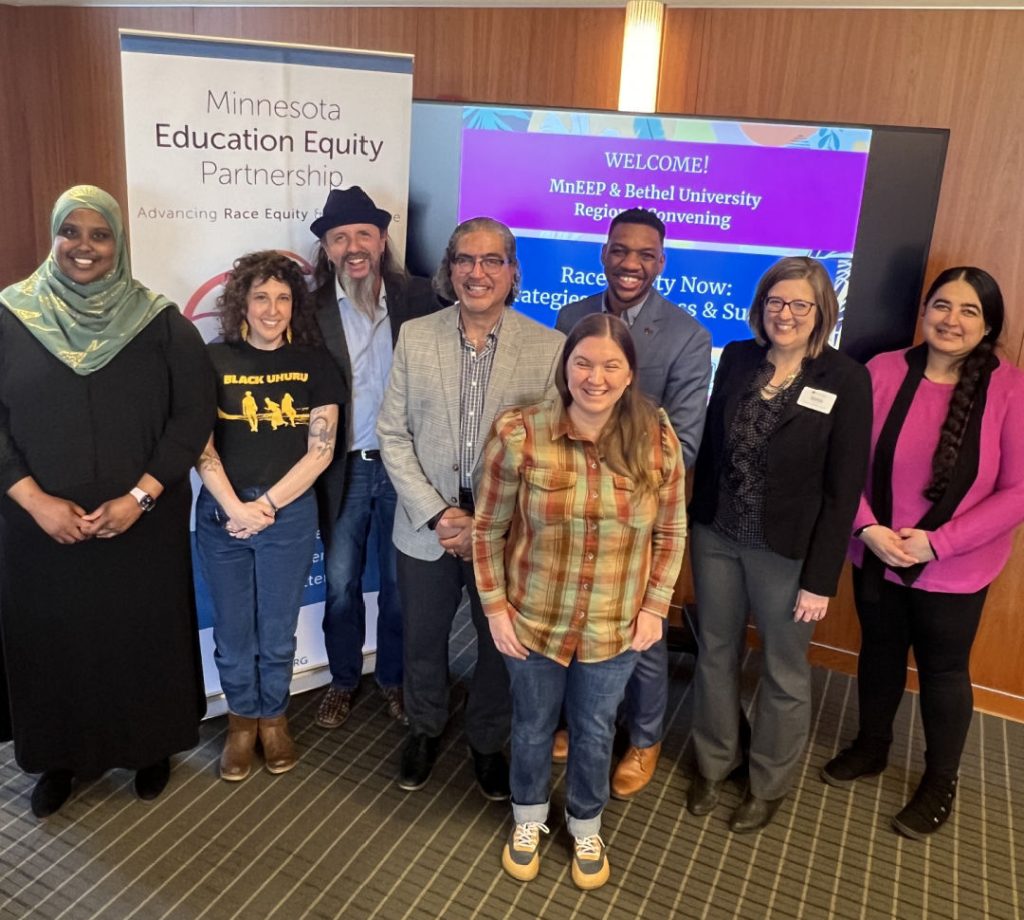
Minnesota Education Equity Partnership (MnEEP) transforms systems, structures, and public narratives to advance race equity and excellence in education. Working alongside students, parents, educators, and community members, they aim to change institutional policies and practices to build a racially just education system. MnEEP has a strong track record of innovation, using a unique framework designed to equip educators and school district leaders with evidence-informed solutions to enhance outcomes for POCI students. They have partnered with education leaders and race equity advocates to inform, shape, and advocate for core policies that support the success of Minnesota’s students of color, English Learners, and Indigenous students through legislation, research, advocacy and leadership services.
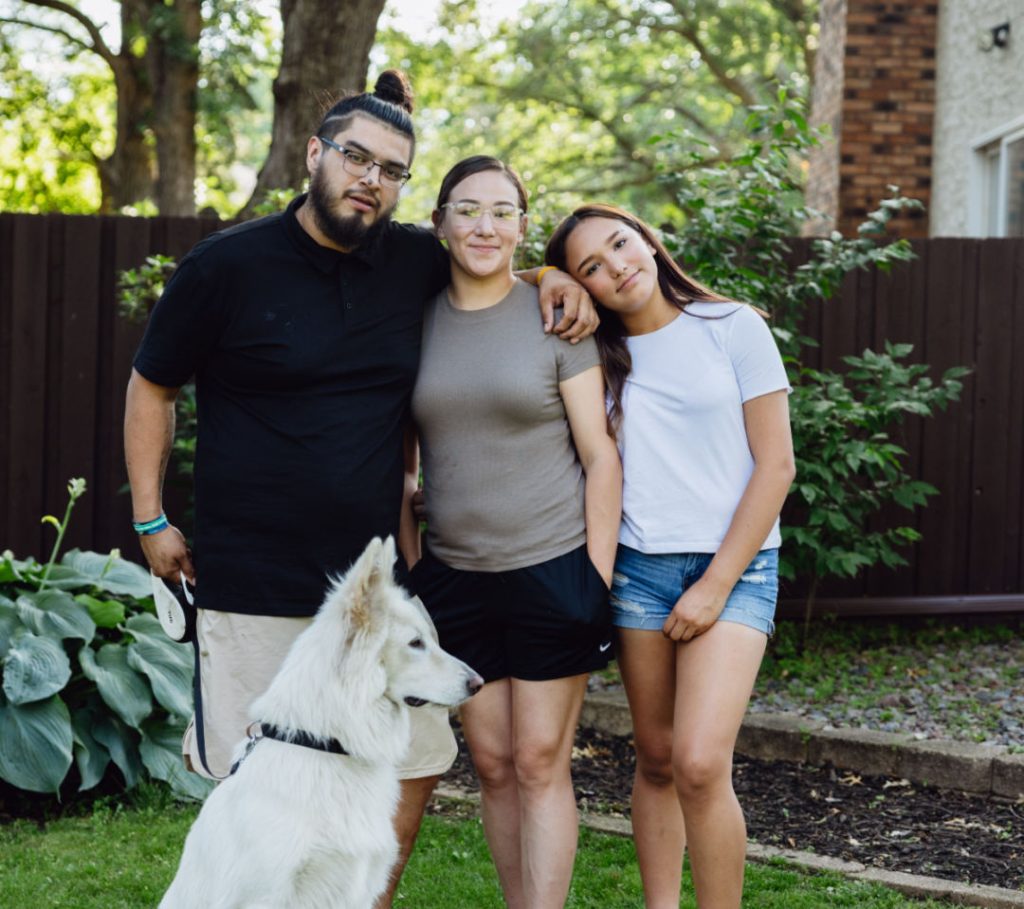
Mni Sota Fund is a Native CDFI committed to building Indigenous wealth and supporting the economic self-determination of Indigenous peoples in Mni Sota Makoce (Minnesota). They provide financial tools and resources to strengthen small business development, commercial and consumer lending, and financial wellness within Native communities. Their track record of innovation addresses community needs through equitable and sustainable approaches like Mni Sota Mortgage Company, a groundbreaking initiative that provides culturally relevant and accessible mortgage solutions, and the Ozhigin Fellowship, which helps Native artists and entrepreneurs with the support and resources needed to succeed in their businesses. The success of its holistic wealth-building approach serves as a model, not just for other CDFIs, but for a more equitable and supportive lending economy overall.
Bush Prize: Native Nations
Learn more about Bush Prize: Native Nations and recipients at Good Relatives Collaborative
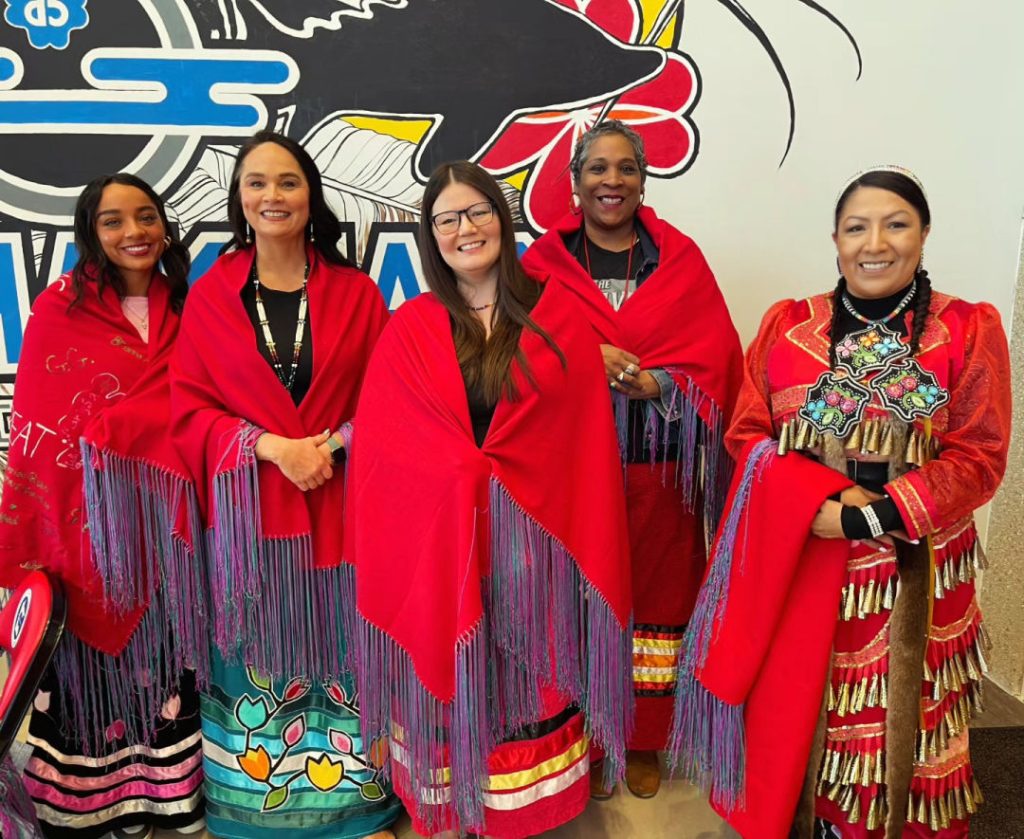
Minnesota Indian Women’s Sexual Assault Coalition (MIWSAC) has been a strong advocate for change working to end sexual violence and sex trafficking across Minnesota’s 11 federally recognized Tribal Nations, urban Native bases, and Tribal communities across the country. They utilize a Native-focused curriculum, developed in partnership with survivors, to train advocates and community members on topics related to sexual assault advocacy and they are a leader in engaging Native men and boys in sexual violence prevention. They focus on Missing and Murdered Indigenous Relatives, sex trafficking prevention, improving Black and Indigenous solidarity, and launching national resource centers to address sexual violence. MIWSAC’s work is far reaching, but they always center the needs and experiences of Native survivors of sexual violence by keeping their voices at the forefront.
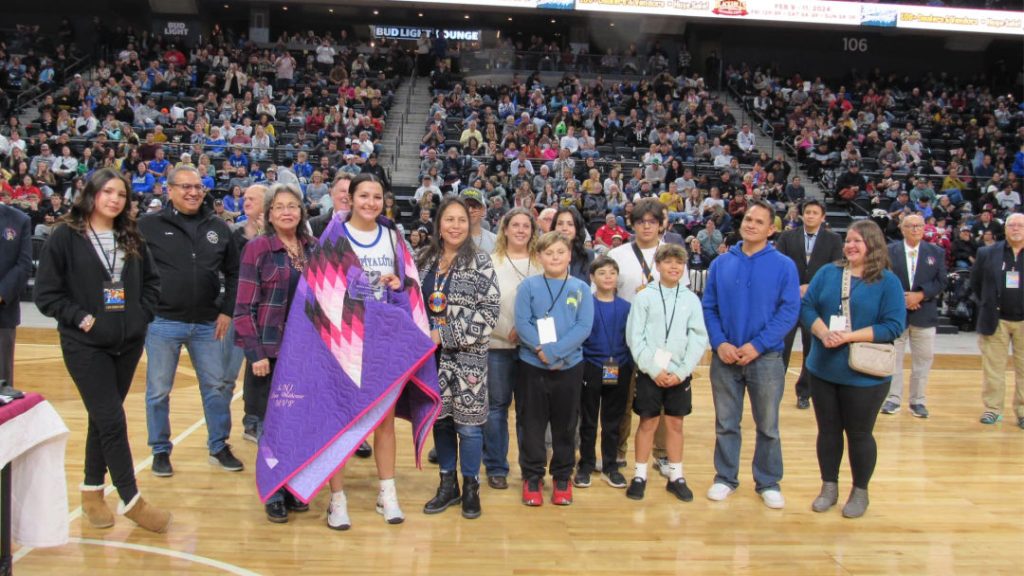
The Lakota Nation Invitational (LNI) convenes the largest multi-sport youth empowerment tournaments in South Dakota, connecting Native youth across a broad spectrum of athletic, academic, and cultural events centered on respect, accountability, and inclusivity. Each year, 20,000 people from across the state, as well as North Dakota, Nebraska, Minnesota and Wyoming come together to watch over 2,500 young athletes from 30 different states compete in Rapid City, SD. LNI serves as a point of pride for Native youth and their respective Nations as they share their histories and culture with other non-Native players and attendees in a safe space. Their unique events foster the next generation of leaders by empowering youth, allowing their ideas to shape future planning and growth.
Bush Prize: North Dakota
Learn more about Bush Prize: North Dakota and the winners at Strengthen ND
North Dakota Native Vote (NDNV) addresses the unique challenges faced by Native communities throughout the state to ensure Native people have access to and participate in the democratic process. Their efforts to overcome barriers and strengthen civic engagement among Native populations includes navigating the state’s voter ID laws, which require voters show a physical address — a huge challenge for many Tribal citizens living on reservations. NDNV’s work to overcome barriers like this is one of the many ways they have turned obstacles into opportunities. Through innovative approaches and a deep commitment to their communities, they have a strong pattern of problem solving to ensure Native voices are heard and counted.
North Dakota Assistive aims to “discover what’s possible” for people living with disabilities and older adults across North Dakota. Whether seeking solutions to live independently, pursue their hobbies, connect with their loved ones or excel in school, individuals who work with North Dakota Assistive receive access to the latest innovative assistive technologies to break barriers and create personalized solutions for their needs. The organization’s innovative approaches include providing low-interest loans to meet the diverse needs of the people they work with to purchase products that will strengthen independence and improve quality of life or identifying simple yet transformative modifications to physical spaces that support individual identities. North Dakota Assistive is committed to connecting individuals to whatever tools they need so they can live, learn, work, play and thrive.
Bush Prize: South Dakota
Learn more about Bush Prize: South Dakota and the winners at South Dakota Community Foundation
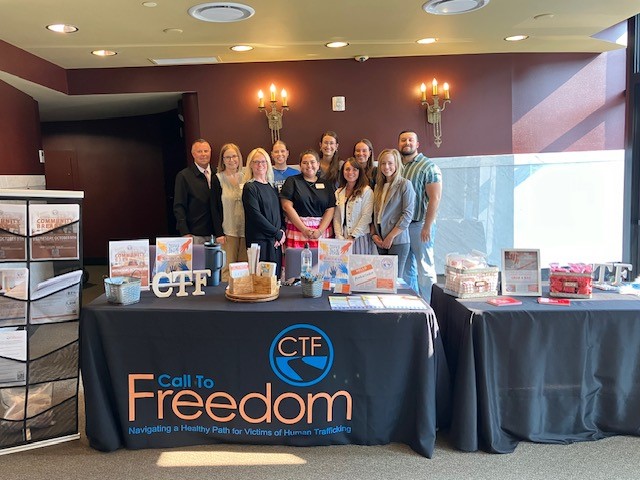
Call to Freedom (CTF) helps lead efforts in South Dakota to address and stop human trafficking. Their innovative and collaborative efforts include supporting survivors and raising awareness. One of their cornerstone initiatives, Marissa’s House, provides a safe and welcoming shelter for survivors, allowing families to stay together while they work toward healing and self-sufficiency. This safe house has set a national standard for survivor-centered care. CTF also goes beyond direct services by partnering with law enforcement, schools, health systems, and community stakeholders to ensure better identification and support for trafficking victims. Their outreach efforts include multilingual communication efforts within public spaces across the state and utilizing data and resources to track trends in trafficking.
2023 Bush Prize winners
Bush Prize through the years
Previously known as the Bush Prize for Community Innovation, the Bush Prize was introduced in 2012 to invest in extraordinary organizations that have demonstrated achievement and have amazing capacity to do more for our region.
When we upped our commitment to share more power in our grantmaking, we adapted the Bush Prize to share the design and operations of the program with community-based partners across the region.
One of our early community grant partners, Headwaters Foundation for Justice, led implementation of the 2023 Bush Prize: Minnesota. That Minnesota program has transitioned to the Saint Paul & Minnesota Foundation.
Today, the heart of the program remains the same and reflects our belief in working beyond ourselves.